
Helpful Advice
The History of Orthodontics: From Metal Braces to Clear Aligners
Explore how orthodontics developed from traditional metal braces to ceramic, lingual, and clear aligner options, and how modern diagnosis and planning support more individualized care.
Orthodontic Treatment in Kuwait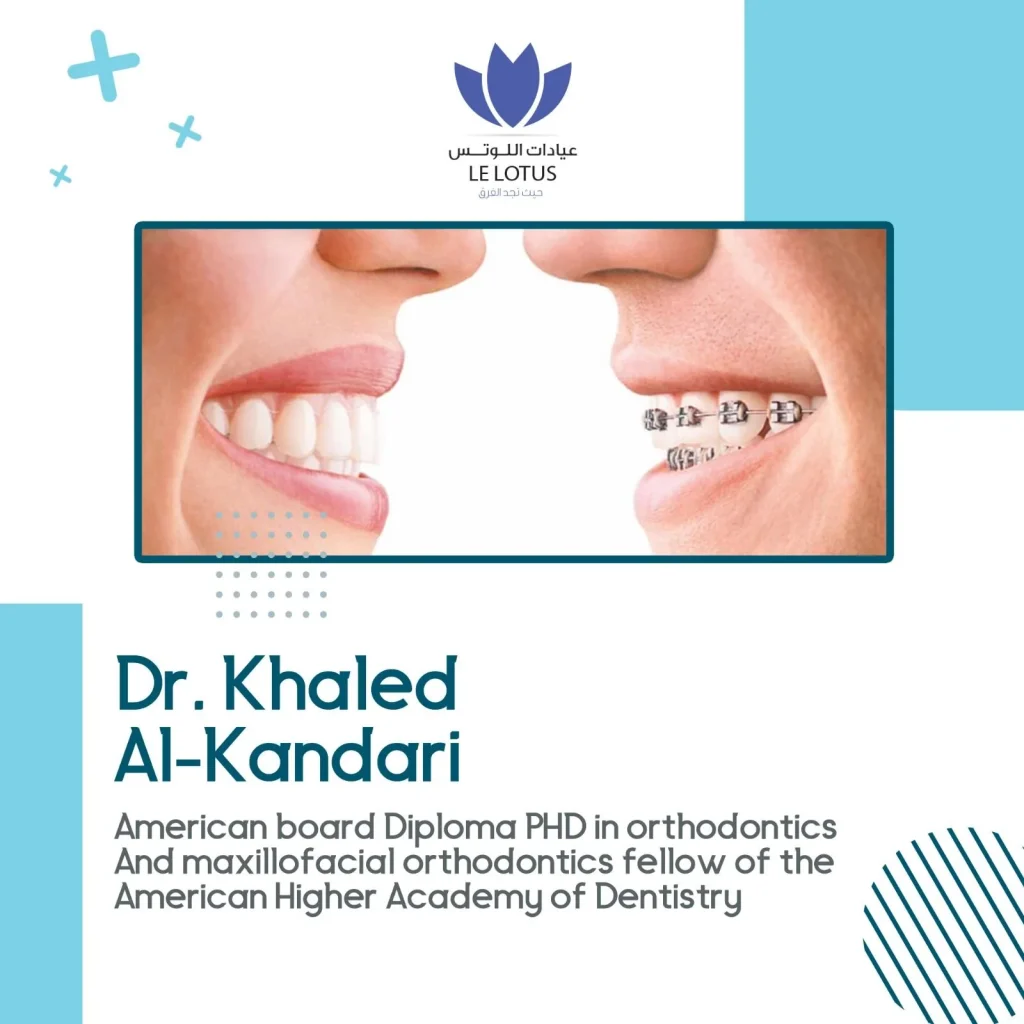
How Has Orthodontics Evolved?
The history of orthodontic treatment is built around one idea: guiding teeth gradually into a healthier position. Appliances, materials, records, and planning methods have changed, but the goal remains controlled tooth movement that respects the teeth, jaws, bite, and smile goals.
Older orthodontic care was often understood through the appliance placed on the teeth. Modern orthodontics looks more broadly at clinical assessment, bite relationships, records, and patient priorities. This created more choices, but not one appliance that suits every case.
Traditional Metal Braces
Traditional metal braces use brackets attached to the teeth and archwires that guide movement step by step. Although less visible options are available, metal braces remain relevant because they can give the doctor detailed control in many situations.
They may help with crowding, spacing, protrusion, and bite correction when fixed control is needed. Modern brackets are generally smaller, and planning is more precise. Still, metal braces are not automatically best for everyone; suitability depends on movement, oral health, and cooperation.
Ceramic Braces and Lingual Braces
Ceramic braces follow a similar fixed-appliance principle, but the brackets are closer to tooth color, making them less noticeable for some patients. They still require cleaning, follow-up, and appropriate case selection.
Lingual braces are placed behind the teeth, making them less visible from the front. They may involve different comfort, cleaning, technical, and suitability considerations. Availability and suitability should be discussed after examination, not assumed from appearance alone.
How Diagnosis and Treatment Planning Have Changed
One important change in orthodontics is the way cases are assessed. A clinical examination, dental and jaw records, photographs, imaging, or digital scans may help the doctor understand the problem before recommending treatment.
Technology can support decisions and explain possible movements, but it does not replace clinical judgment. A digital simulation is not a guaranteed final result. Progress still needs monitoring, and the plan may be refined according to how the teeth respond.
Clear Aligners
Clear aligners use a planned series of removable trays to move teeth in stages. Their less visible appearance and removability for eating and hygiene make them attractive when the case is suitable and the patient can wear them consistently.
Compliance is central to aligner treatment. If aligners are not worn as instructed, movement may not progress as planned. Some movements or bite problems may still be better managed with fixed braces. The choice depends on movement, bite condition, oral health, and daily habits.
Why Traditional and Modern Options Still Coexist
Newer does not automatically mean better for every patient. Different appliances solve different needs. Appearance matters, but so do complexity, hygiene, comfort, cooperation, and treatment goals. A patient may prefer a discreet option while the case requires fixed control.
This is why treatment should not be chosen from marketing claims or photos alone. A consultation with Dr. Khalid Al-Kanderi or the clinical team should focus on diagnosis first, then compare suitable options.
What Has Not Changed
Even as orthodontic appliances evolved, the foundation has stayed the same: careful assessment, an individualized plan, regular follow-up, and patient cooperation. Retainers after active treatment also help maintain the result after the teeth have moved.
This content is for general educational information and does not replace a clinical examination, diagnosis, or personalised treatment plan.
Related Advice
Helpful articles you may also like

Metal Braces vs Clear Aligners
A practical comparison between metal braces and clear aligners, including appearance, cooperation, cleaning, suitability, and follow-up.
Read More
Caring for Your Teeth During Orthodontic Treatment
Daily care during orthodontic treatment helps maintain tooth and gum health and reduces buildup around braces or aligners.
Read More
How Long Does Orthodontic Treatment Take?
Orthodontic treatment time varies by case complexity, treatment type, tooth response, and commitment to visits and instructions.
Read More