
Helpful Advice
Metal Braces vs Clear Aligners
A practical comparison between metal braces and clear aligners, including appearance, cooperation, cleaning, suitability, and follow-up.
Orthodontic Treatment in Kuwait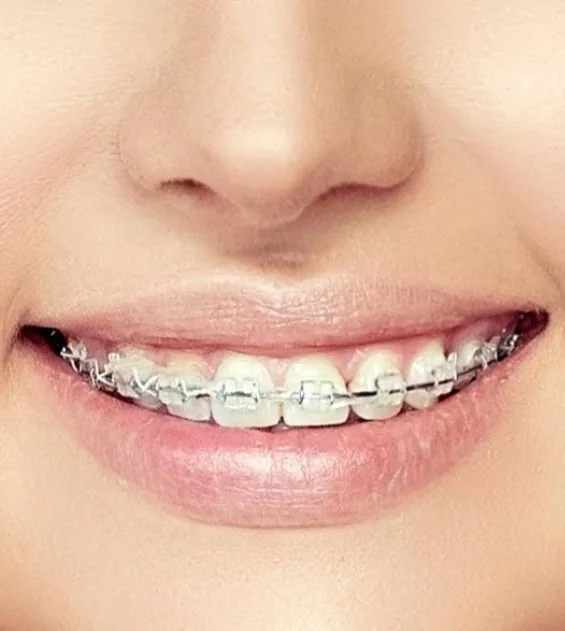
Choosing between metal braces and clear aligners is not only about appearance. Both options can improve tooth alignment, but they differ in how they work, how much cooperation they require, how cleaning is managed, and how much control the doctor may need for the case.
Appearance
Metal braces are more visible because brackets and wires are fixed to the teeth throughout treatment. Clear aligners use transparent trays that are less noticeable, which some patients prefer for work, university, or social occasions. Appearance matters, but it should not be the only factor, because some cases need movement control that aligners alone may not provide.
Removability and Cooperation
Metal braces are fixed and work continuously, so the patient does not need to remember to wear them. Clear aligners are removable for eating and cleaning, but they require consistent daily wear. If the trays are not worn as instructed, tooth movement may slow down or stop matching the planned sequence.
Suitability and Case Complexity
Metal or ceramic braces may be more suitable for severe crowding, significant tooth rotation, or bite concerns that need stronger control. Clear aligners may work well for selected mild to moderate crowding or spacing cases, but they are not an automatic replacement for every orthodontic appliance.
Cleaning and Daily Care
Clear aligners make brushing and flossing easier because the trays are removed. The trays themselves must also be cleaned, and eating while wearing them should be avoided. Metal braces require careful cleaning around brackets and wires, and the dentist may recommend special brushes or tools to reduce plaque build-up.
Follow-Up and Retainers
Both options require follow-up appointments. With metal braces, wires are adjusted and movement is monitored. With clear aligners, the doctor checks whether tooth movement is tracking as planned and provides the next stages. After treatment, retainers remain important to help maintain the result.
How Is the Choice Made?
The right decision begins with an individual assessment of the teeth, gums, jaw relationship, patient goals, and ability to follow instructions. At Lotus Clinic, the benefits and limits of each option are explained before treatment begins so the patient understands why one plan may suit the case better than another.
Questions That Help Before Choosing
Before deciding, ask the doctor: Does my case need complex movement? Can clear aligners achieve the expected result? How often will follow-up visits be needed? Is cleaning likely to be difficult? Will retainers be required after treatment? These questions move the decision from appearance alone to diagnosis-based planning.
When Is the Plan Reviewed?
Sometimes treatment begins with a clear plan but details need adjustment during follow-up. A certain movement may be slower than expected, or the patient may need extra cleaning or wear-time instructions. This is why follow-up matters with both metal braces and clear aligners.
This content is for general information only and does not replace a clinical examination and personalised assessment.
Related Advice
Helpful articles you may also like

The History of Orthodontics: From Metal Braces to Clear Aligners
Explore how orthodontics developed from traditional metal braces to ceramic, lingual, and clear aligner options, and how modern diagnosis and planning support more individualized care.
Read More
Caring for Your Teeth During Orthodontic Treatment
Daily care during orthodontic treatment helps maintain tooth and gum health and reduces buildup around braces or aligners.
Read More
How Long Does Orthodontic Treatment Take?
Orthodontic treatment time varies by case complexity, treatment type, tooth response, and commitment to visits and instructions.
Read More