
Helpful Advice
Are Clear Aligners Suitable for Every Case?
When are clear aligners suitable? Learn how crowding, spacing, bite concerns, wear consistency, and hygiene affect the decision.
Clear Aligners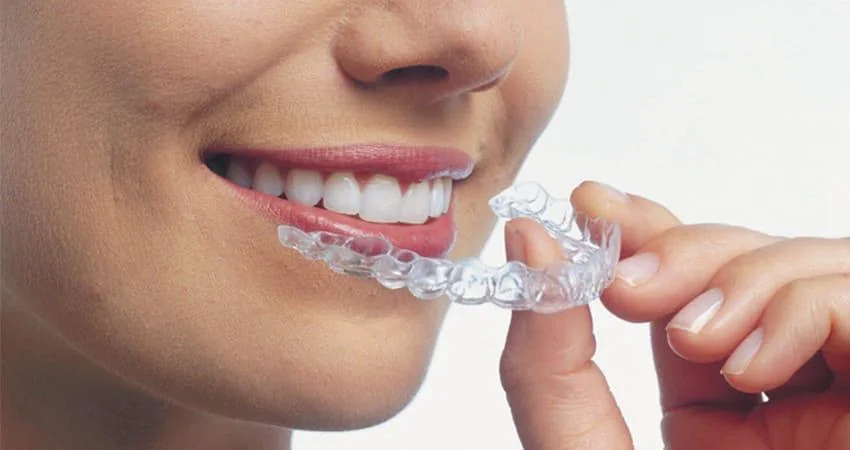
Clear aligners are comfortable and discreet for many patients, but they are not suitable for every case. Suitability depends on examination of the teeth and jaws, the type of movement required, and the patient's ability to follow wearing and cleaning instructions.
Crowding and Spacing
Clear aligners may help selected mild to moderate crowding or spacing cases. When the space required is limited and the planned movement is predictable, aligners can be a suitable option. Severe crowding or significant tooth rotation may require fixed braces or additional steps.
Bite Concerns
If the concern involves how the teeth meet or how the jaws relate to each other, the decision requires deeper evaluation. Some bite issues can be managed with aligners in selected cases, while others need metal or ceramic braces to provide better movement and bite control.
Case Complexity
Not every orthodontic case is the same. Some patients need minor alignment improvement, while others require movement in several directions at once. The more complex the case, the more important it becomes to choose an appliance that gives the doctor adequate control.
Wearing Consistency
Clear aligner success depends heavily on wearing the trays as instructed. Because aligners are removable, forgetting them for long periods or removing them too often can delay progress. They are usually better suited for patients who can commit to consistent daily use.
Oral Hygiene and Dental Health
Aligners make brushing and flossing easier because they are removed, but the trays must also be cleaned and eating while wearing them should be avoided. Gum health, decay, and older restorations should be reviewed before treatment because they may affect timing or planning.
When Fixed Braces May Be Better
If the case needs stronger control, involves complex movement, or if consistent aligner wear is unlikely, fixed braces may be more suitable. The goal is to select the plan that serves the case, not simply the appliance that is least visible.
Signs Aligners May Be Worth Discussing
Clear aligners may be worth discussing when teeth and gums are healthy, the concern is limited, and the patient can wear and clean the trays consistently. Realistic expectations also help, because aligners are not a quick solution and are not suitable for every type of tooth movement.
What If Aligners Are Not Suitable?
If clear aligners are not suitable, it does not mean treatment is impossible or unusually difficult. The doctor may recommend fixed braces, preliminary dental care, or a plan that combines more than one step. The priority is tooth health and predictable movement, not only the appearance of the appliance.
This content is for general information only and does not replace a clinical examination and personalised assessment.
Related Advice
Helpful articles you may also like

The History of Orthodontics: From Metal Braces to Clear Aligners
Explore how orthodontics developed from traditional metal braces to ceramic, lingual, and clear aligner options, and how modern diagnosis and planning support more individualized care.
Read More
Metal Braces vs Clear Aligners
A practical comparison between metal braces and clear aligners, including appearance, cooperation, cleaning, suitability, and follow-up.
Read More
Caring for Your Teeth During Orthodontic Treatment
Daily care during orthodontic treatment helps maintain tooth and gum health and reduces buildup around braces or aligners.
Read More